
The Science of Focus: How Students Can Improve Concentration in a Digital World
In today’s digital world, focus has become one of the most valuable — and most difficult — skills for students to master. With phones buzzing, notifications popping up, and endless entertainment just a click away, it is no surprise that many children and teenagers struggle to stay concentrated on schoolwork. The science of attention shows that focus is not simply about willpower. It is about how the brain works, how habits are built, and how the environment shapes behavior.
How the Brain Handles Focus
Neuroscientists describe attention as a limited resource. Each time we switch between tasks — for example, from solving a math problem to checking a message — the brain needs time to refocus. This constant shifting is called “context switching,” and research shows it reduces efficiency and drains mental energy. For students, frequent digital interruptions can mean assignments take twice as long and learning is less effective.
Building an Environment for Concentration
The environment plays a major role in how well students can focus. Small changes can create big improvements:
-
Keep phones and devices out of reach during study time. Even the presence of a phone on the desk has been shown to reduce concentration.
-
Use quiet, well-lit spaces that signal “time to study.” Consistency helps the brain form strong associations between place and activity.
-
Reduce clutter. A tidy workspace makes it easier for the brain to process and prioritize tasks.

The Role of Habits and Routines
Focus is strengthened through habits. Students who establish a consistent study routine train their brains to enter a state of concentration more quickly. For example, beginning homework at the same time each day, after a short break and snack, helps signal to the brain that it is time to shift into work mode. Over time, these small habits build stronger attention spans.
Active Study Keeps the Mind Engaged
The way students study also affects concentration. Passive review, such as rereading notes, often allows the mind to wander. Active strategies like summarizing material in their own words, practicing with flashcards, or teaching the concept to someone else keep the brain engaged. These methods not only improve focus but also deepen understanding.
Managing Digital Distractions
Technology is not going away, so students need strategies to manage it effectively. Parents and students can experiment with:
-
Setting timers to study in focused blocks (for example, 45 minutes of work followed by a 10-minute break).
-
Using apps that block social media during study hours.
-
Placing devices in another room until homework is finished.
These approaches teach students to control their digital environment rather than letting it control them.
How Tutoring Helps Build Focus
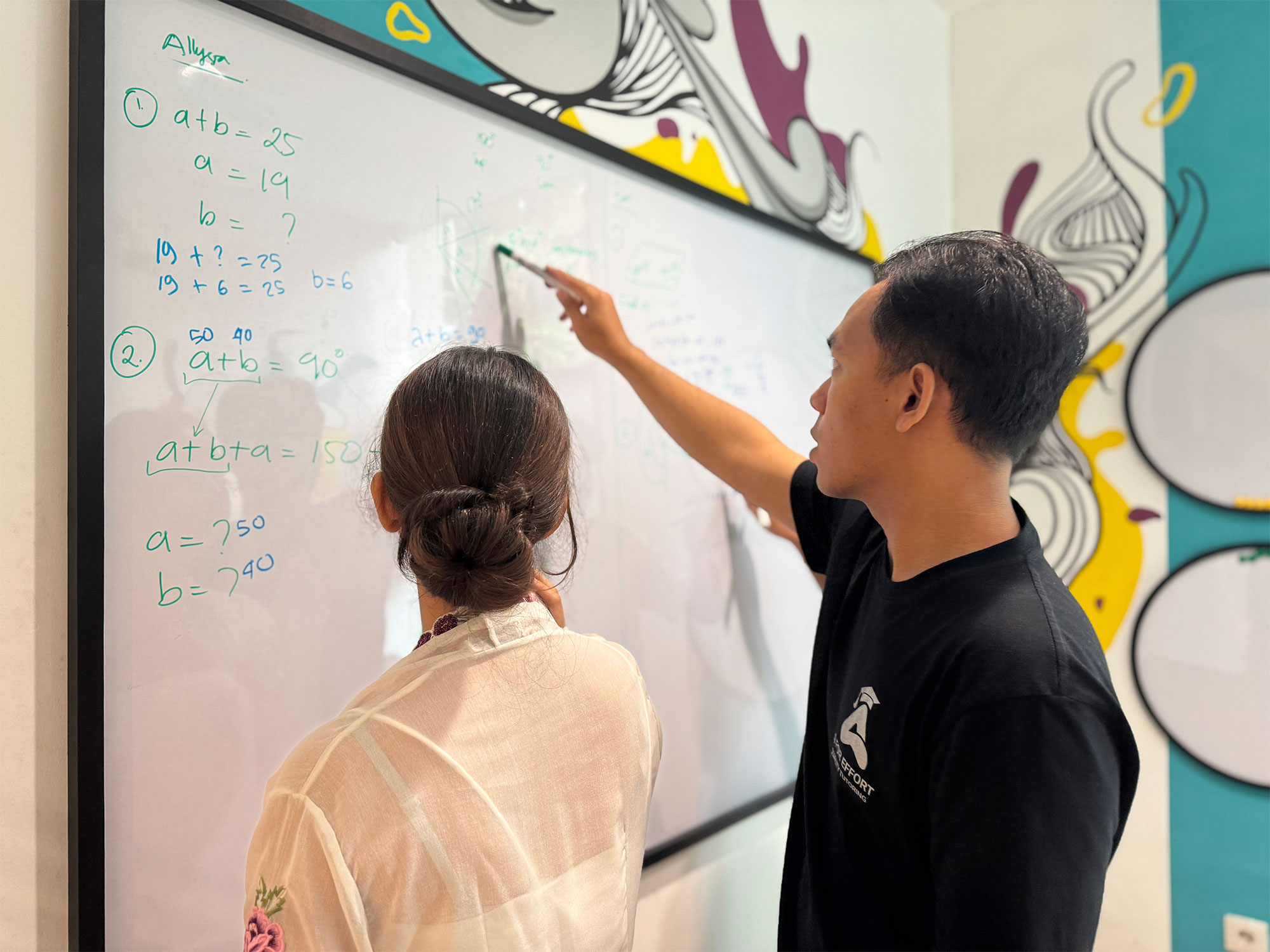
Some students struggle with concentration not because they lack discipline, but because they are unsure how to study effectively. Tutoring can provide both structure and strategies. At A for Effort, a well-regarded tutoring center in Jakarta, our tutors help students create study routines, practice active learning methods, and manage distractions in a supportive environment. By combining subject mastery with focus-building strategies, we ensure that students get more out of every study session.
Final Thoughts
Focus is not just a matter of trying harder. It is about understanding how the brain works, creating the right environment, and building strong habits. In a world filled with digital distractions, these skills are more important than ever. Parents can help by shaping study spaces and routines, while tutoring provides extra guidance and accountability. At A for Effort, we believe that learning to focus is one of the most powerful tools a student can carry into school, exams, and life beyond the classroom.
Phone: +62 819 1100 1203
Email: info@aforeffort.org
Website: www.aforeffort.org