
Starting Strong: What Actually Determines a Student’s Success in the First 2 Months of School
The start of a new school year often feels like a fresh beginning. New teachers, new subjects, and new routines create a sense of motivation for many students. However, what happens in the first one to two months of school is more important than most parents realize. This early period quietly sets the foundation for the rest of the academic year.
Students who start strong tend to stay consistent. Those who fall behind early often spend the rest of the year trying to catch up. Understanding what truly drives success during this phase can help parents support their children more effectively from the beginning.
It’s Not About Intelligence, It’s About Habits
One of the biggest misconceptions is that early success depends on how naturally strong a student is in a subject. In reality, the first few months are much more about habits than ability.
Students who build simple routines early on tend to perform better over time. This includes:
Reviewing what was learned in class on the same day
Completing homework consistently rather than rushing it
Keeping materials organized and accessible
Asking questions when something is unclear

These habits may seem small, but they compound quickly. By the time exams arrive, students who have been consistent from the start are far more prepared and less stressed.
Gaps Show Up Early
The beginning of the school year is also when learning gaps become visible. Teachers move quickly through foundational topics, assuming students are ready to build on previous knowledge. If a student is unsure about key concepts from the previous year, this is when difficulties start to appear.
In subjects like Math and Science, where topics are interconnected, even small gaps can create confusion. The challenge is that these gaps are often subtle at first. A student may still be able to follow lessons, but with increasing effort and decreasing confidence.
Addressing these gaps early is far easier than waiting until exam periods, when the pressure is higher and there is less time to fix them.
Confidence Is Built Early
Confidence plays a major role in how students approach their work. A strong start creates a sense of control and motivation. Students who understand what is being taught are more likely to participate, complete assignments carefully, and stay engaged.
On the other hand, early struggles can quickly affect confidence. Students may begin to doubt their ability, avoid certain subjects, or lose motivation altogether. This is why the first few weeks are not just about content, but also about how students feel about their learning.
The Role of Routine at Home
Parents can make a significant difference during this period by helping establish a consistent routine. This does not need to be complicated. Having a set time for homework, a quiet study space, and clear expectations already creates a strong structure.
Regular check-ins can also help. Asking simple questions like “What did you learn today?” or “Was anything confusing?” encourages reflection and helps identify potential issues early. The goal is to stay involved without creating pressure.
When Additional Support Makes Sense
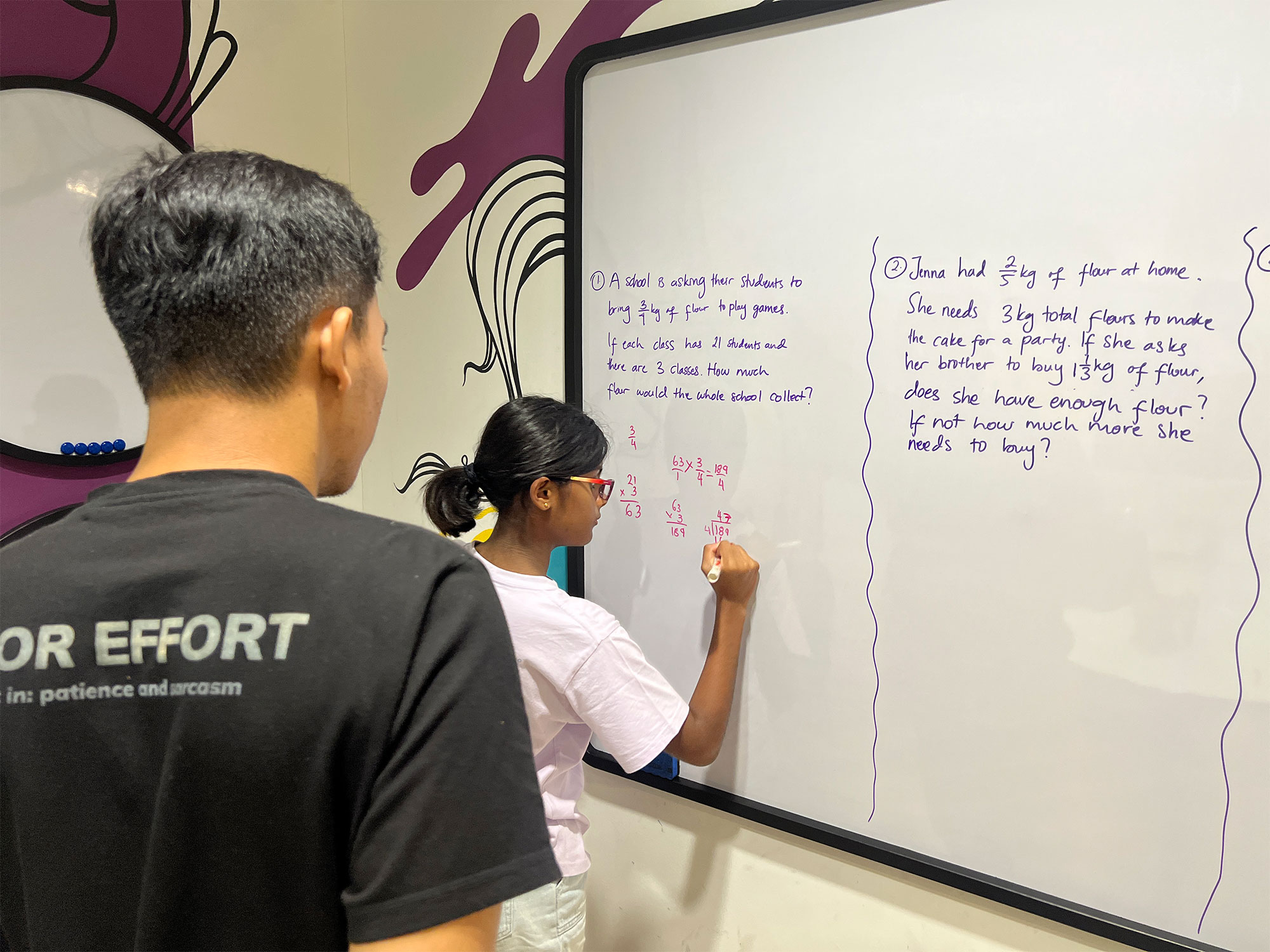
For some students, the transition into a new school year comes with increased difficulty, especially when moving into more advanced levels such as IGCSE, IB, or higher grade levels. In these cases, early support can make a significant difference.
Tutoring at the start of the year is not about catching up, but about staying ahead. It provides structure, reinforces understanding, and helps students build confidence before challenges become overwhelming. At A for Effort, tutoring programs are designed to support students from the beginning of the academic year, helping them strengthen foundations and approach new material with clarity.
Final Thoughts
The first two months of school are often underestimated, yet they shape the trajectory of the entire year. By focusing on consistent habits, identifying gaps early, and building confidence from the start, students are far more likely to maintain strong performance over time. With the right support and structure in place, a strong start becomes the foundation for sustained academic success.
Learn more about how A for Effort supports students at the start of the school year at www.aforeffort.org.
Phone: +62 819 1100 1203
Email: info@aforeffort.org
Website: www.aforeffort.org